Number of piers
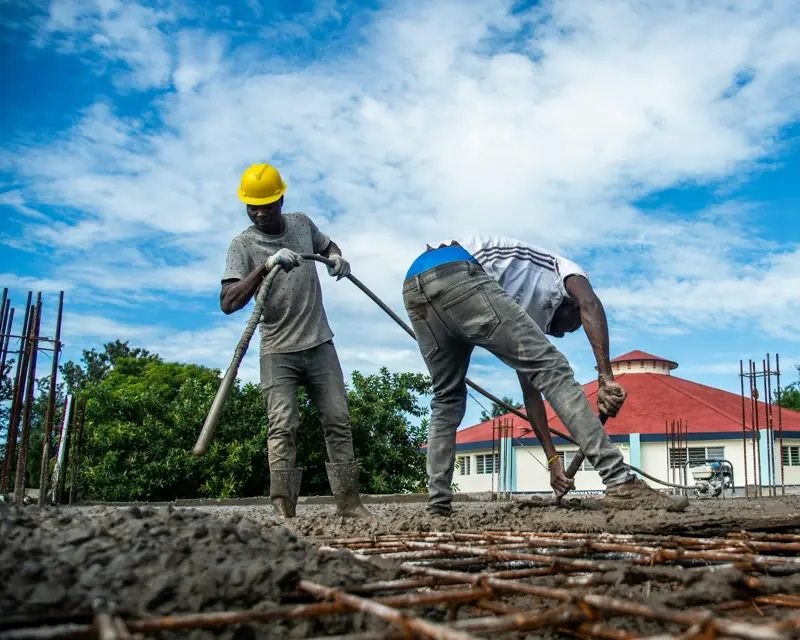
Most of a slab bill is driven by how many supports go in and how deep they need to reach below East Texas clay.
Control water to control movement
Clay soil moves when its moisture changes. The more evenly you can keep moisture under and around your house, the less the foundation moves. In Tyler, where heavy spring storms alternate with dry summers, good drainage is one of the most effective and affordable ways to protect a foundation.
Short downspouts that empty right beside the slab, gutters clogged with pine needles and oak leaves, flowerbeds edged so they hold water, and soil that slopes toward the house all send water into the clay next to your foundation. That side swells while the others stay drier, and the slab or piers move unevenly.
Tyler's rolling terrain adds to it. Many lots slope, so a house at the bottom of a yard can receive runoff from neighbors as well as its own roof.
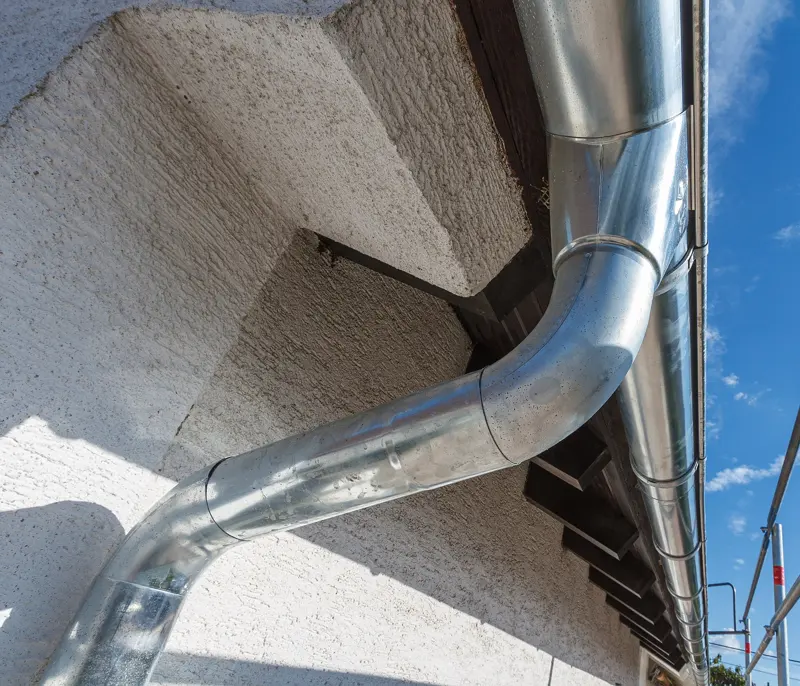
Gutter cleaning, guards and downspout extensions that discharge several feet away are a simple starting point. Surface or French drains collect water and carry it to a safe outlet. Regrading the soil so it slopes away from the house for the first several feet helps on almost every property.
For trees close to the house, a root barrier installed by a qualified crew can limit how much moisture roots pull from under the foundation in summer. Watering the perimeter evenly during extended drought, using a soaker hose a short distance from the slab, is also widely recommended for East Texas clay.
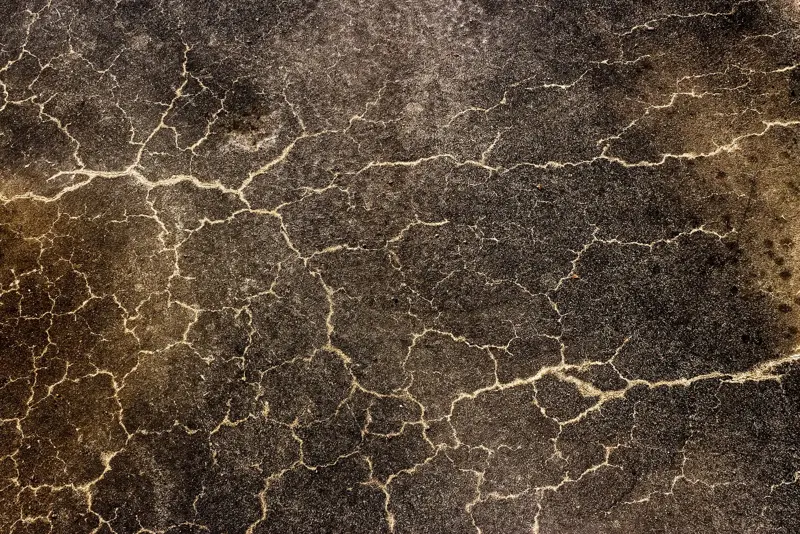
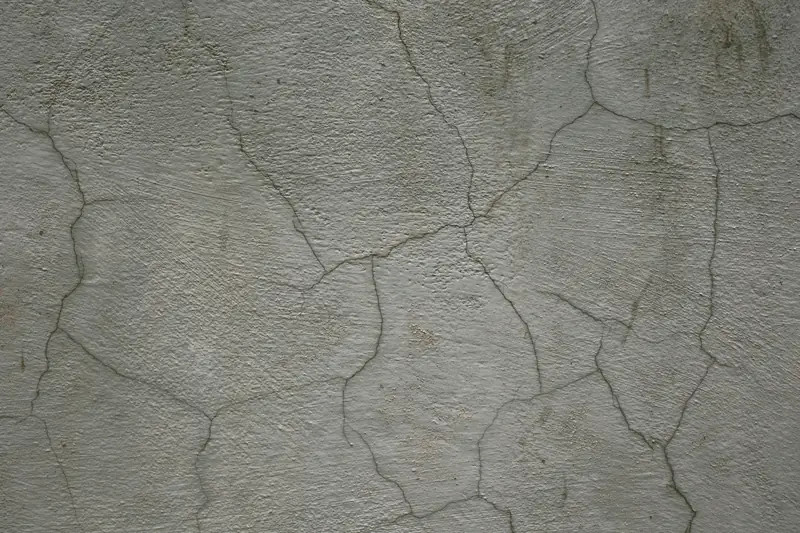
If a house already needs piers, fixing drainage at the same time protects that investment. Some contractors include it; others refer you to a landscape or drainage specialist. Ask how they plan to handle water, and read about concrete crack repair if driveways and patios are also showing damage.
Symptom checker
Most repairs start with one of these signs. Tap a card to see what it can point to.
Often the first sign that the frame has shifted as clay swells or shrinks.
Mortar cracks that climb diagonally usually follow foundation movement.
A marble that rolls on its own is worth a closer look by a contractor.
Separation at trim tells you which corner may be dropping.
Poor drainage feeds the swell-and-shrink cycle in East Texas soil.
Hairline shrink cracks are common; wide or offset ones need a check.
How a repair usually goes
A local crew measures floor elevations, checks cracks, doors and drainage, and looks for the cause, not only the symptom.
You get a written scope from the contractor: repair method, pier count and placement, drainage fixes and their warranty terms.
Supports are installed or adjusted and the house is lifted back toward level as far as the framing safely allows.
Final elevations are recorded and drainage is checked so you can compare future readings and spot new movement early.
Pricing
Most of a slab bill is driven by how many supports go in and how deep they need to reach below East Texas clay.
Pressed concrete, steel and helical piers price differently and reach firm soil at different depths.
Tight crawl spaces, decks, landscaping and plumbing under the slab all add labor hours.
Gutters, downspout extensions or French drains are separate line items but protect the repair.
An engineer's letter or city permit may be required for larger lifts.
Transferable lifetime warranties sometimes carry a higher price; read the exclusions.
Questions
It will not lift a house that has already settled, but it can slow or stop further movement. It is often recommended both before and after structural repair.
Many East Texas foundation and soil professionals suggest even perimeter watering during long dry spells to limit shrinkage. Avoid flooding one area, which can cause heave.
Talk to a local foundation crew that knows East Texas clay.
Takes under a minute
Talk to a local foundation crew that knows East Texas clay.