
Number of piers
Most of a slab bill is driven by how many supports go in and how deep they need to reach below East Texas clay.
Find out how much your home has really moved
Not every crack means your foundation is failing. A foundation inspection gives you a clear picture of whether movement is active, how much the floors have shifted, and what, if anything, needs to be done. It is the right first step if you are worried, buying a home, or comparing repair bids.
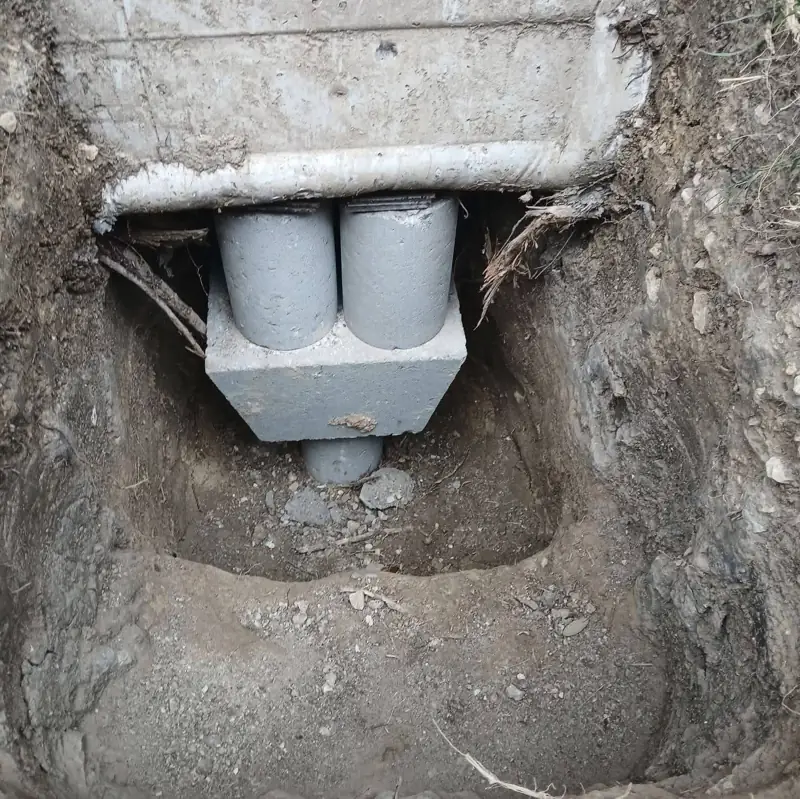
Inspectors walk the exterior looking at the slab edge or skirting, brick and siding cracks, grading and gutters. Inside, they look at doors, windows, drywall and flooring, and take floor elevation readings. On pier and beam homes, they go into the crawl space to check piers, shims, beams and moisture.
The result should be a written report with an elevation map, photos and a description of likely causes. If a repair company provides the inspection, the report may come with their own repair proposal; that is normal, but it is worth knowing who prepared it.
A licensed professional engineer evaluation is independent of any repair sale and is often requested by buyers, sellers and lenders. Many Tyler-area foundation contractors can coordinate an engineer visit, or you can hire one directly. For complex homes, additions or past repairs, an engineer's design is worth the cost.
Texas home inspectors licensed through TREC also comment on foundations during a purchase inspection, but their job is to flag concerns, not to design a repair. If the home inspection notes 'evidence of movement', a foundation-specific evaluation is the next step.
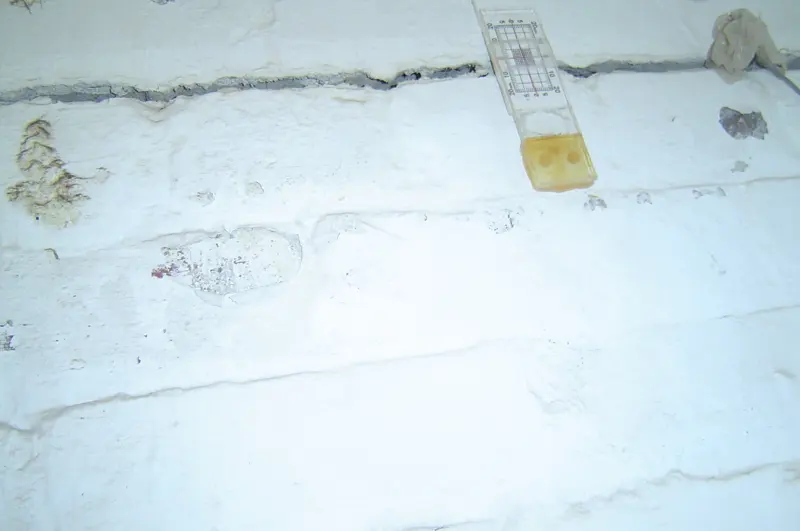
Ask the seller for any past repair paperwork and whether a transferable warranty exists. Look at how the lot drains, and whether large trees sit close to the house. For a broader checklist see our post on signs of foundation problems. If water is the likely cause, drainage solutions in Tyler may be part of the answer.
Symptom checker
Most repairs start with one of these signs. Tap a card to see what it can point to.
Often the first sign that the frame has shifted as clay swells or shrinks.
Mortar cracks that climb diagonally usually follow foundation movement.
A marble that rolls on its own is worth a closer look by a contractor.
Separation at trim tells you which corner may be dropping.
Poor drainage feeds the swell-and-shrink cycle in East Texas soil.
Hairline shrink cracks are common; wide or offset ones need a check.
How a repair usually goes
A local crew measures floor elevations, checks cracks, doors and drainage, and looks for the cause, not only the symptom.
You get a written scope from the contractor: repair method, pier count and placement, drainage fixes and their warranty terms.
Supports are installed or adjusted and the house is lifted back toward level as far as the framing safely allows.
Final elevations are recorded and drainage is checked so you can compare future readings and spot new movement early.
Pricing
Most of a slab bill is driven by how many supports go in and how deep they need to reach below East Texas clay.
Pressed concrete, steel and helical piers price differently and reach firm soil at different depths.
Tight crawl spaces, decks, landscaping and plumbing under the slab all add labor hours.
Gutters, downspout extensions or French drains are separate line items but protect the repair.
An engineer's letter or city permit may be required for larger lifts.
Transferable lifetime warranties sometimes carry a higher price; read the exclusions.
Questions
Typically one to two hours for a single-family home, a bit longer for pier and beam homes because of the crawl space.
It can help. A recent report lets you address issues or disclose them clearly, which can reduce surprises during the buyer's inspection period.
Talk to a local foundation crew that knows East Texas clay.
Takes under a minute
Talk to a local foundation crew that knows East Texas clay.